Building Software Is Not the Same as Solving a Problem
AI made building software faster. It did not make problem-solving cheaper. Implementation is a tactic; product thinking, distribution, and maintenance decide whether anyone actually uses what you ship.
Muhammad Hassan
Author
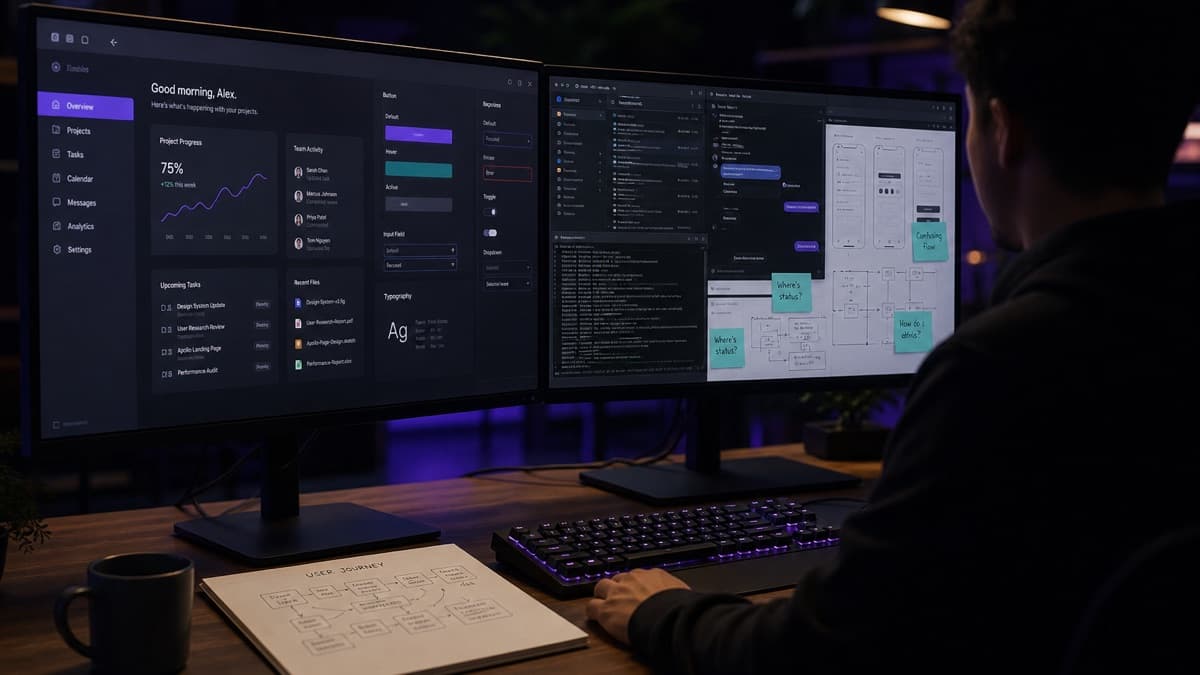
Building software is not the same as solving a problem. You can ship a working app in a weekend now. That does not mean you solved anything worth paying for.
The scarce skill is no longer typing code. It is deciding what should exist, for whom, and how it reaches them.
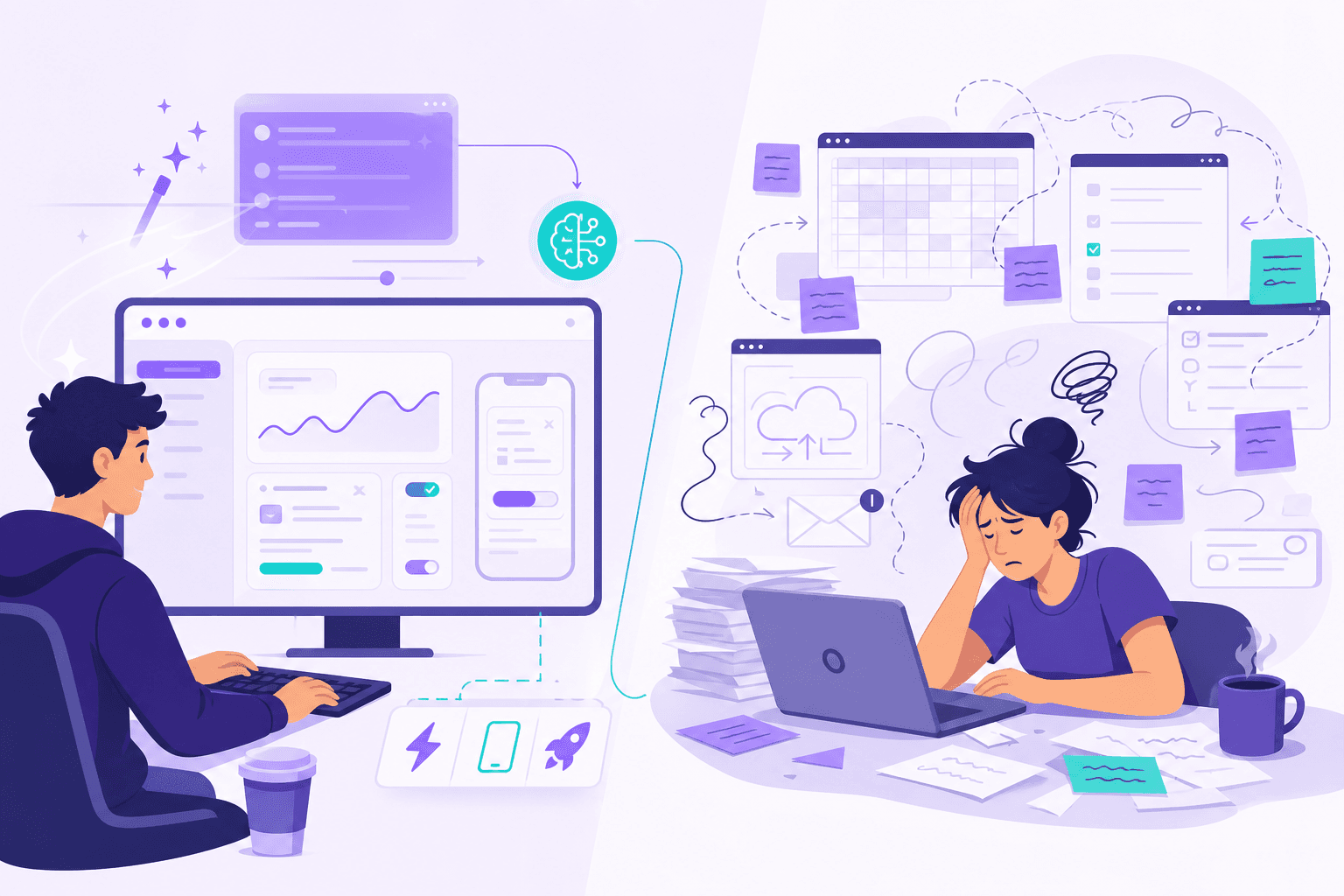
What is the difference between building software and solving a problem?
Building software means writing code that runs. Solving a problem means changing how a person or business gets an outcome they care about.
The solution may not even need software. Claudio Lassala draws a useful line: software developers focus on code; solution developers focus on needs first.
Most people do not want software. They want the sale, the saved hour, the fewer support tickets, the compliant audit. Software is often part of the answer. It is rarely the whole point.
The trap of building an alternative
Consider AI voice dictation tools.
The core tech is not mysterious. Whisper and similar models already exist. A developer can wrap one in a desktop app and call it an alternative.
Technically, that is a software-building win.
You can also add:
- a web version
- authentication
- settings screens
- an open-source repo
- API integrations
And honestly say: "I built an alternative."
But did you solve the user's problem? That is a different question.
The shallow problem is: How do I turn speech into text?
The real problem is: How do I make voice input effortless wherever I already work?
That changes the product entirely.
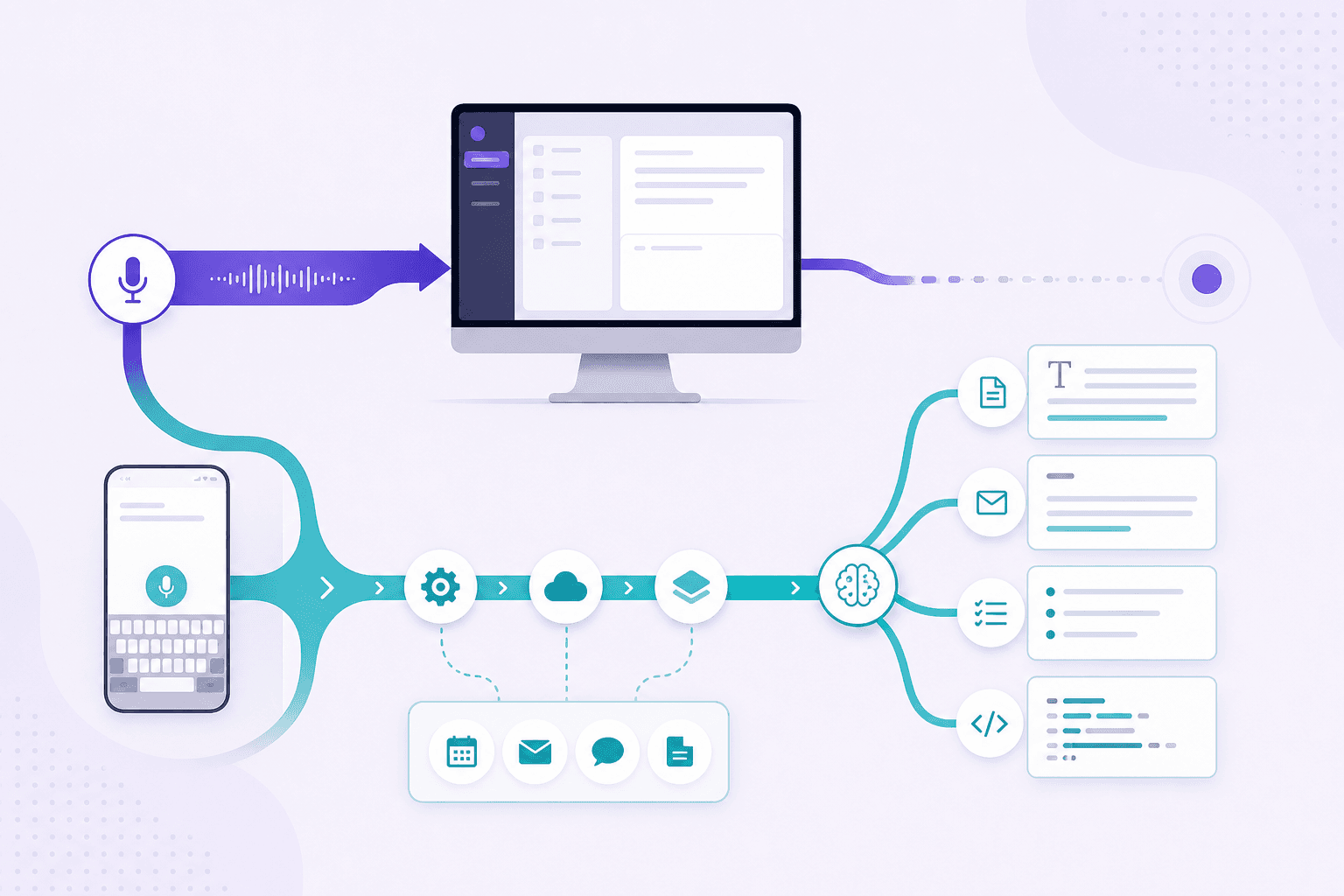
You start thinking about mobile keyboards, system-wide shortcuts, app context, punctuation rules, and behavior inside email vs terminal vs chat. Same model. Completely different product.
That gap is building software vs solving a problem.
Solutioneering: when engineers skip the problem
Joel Dickson calls it solutioneering: jumping to build before the problem is defined.
It is not laziness. It is enthusiasm pointed at the wrong target. Organizations that reward shipping over understanding make it worse.
The fix is not "build less." It is define the problem first.
Ask what success looks like before you pick a stack. A team chasing "improve booking conversion" thinks differently from a team assigned "build feature X."
PostHog's product engineer framing puts it cleanly: software engineers own the code; product-minded engineers own whether the product helped the user.
Start with the user, not the technology
The easiest mistake: a new model drops and you ask, "What can I build with this?"
That is a fine learning exercise. It is not product thinking.
Stronger questions:
- Who has the pain?
- What job are they trying to finish?
- Why do current tools fail them?
- What would "done" look like in their workflow?
If the model is open source, everyone can use it. The model is not your moat. Your moat is what you build around it:
- user understanding
- workflow fit
- platform integration
- friction removal
- maintenance discipline
- distribution
The model may be free. Problem-solving is not.
Why open-source alternatives do not automatically win
Whenever a product succeeds, someone says: "I'll build an open-source version."
You can. Building is only the beginning.
Real products have ongoing costs:
- infrastructure and hosting
- app store fees and certificates
- monitoring and incident response
- security patches
- support and bug triage
- compatibility across devices and OS versions
Maintenance is the part builders underestimate.
Version one works on your machine. Real users bring edge cases you never imagined. Someone must investigate, prioritize, fix, and ship updates.
AI speeds that work up. It does not remove it.
And if the project is free, the question stays: Who pays for it?
Open source is a distribution and collaboration strategy. It is not, by itself, a business model.
Distribution is part of the product
You can solve a real problem and still fail because nobody finds the solution.
A developer spends months building, pushes to GitHub, and waits. Sometimes discovery happens. Usually it does not.
Companies invest in distribution on purpose:
- content and SEO
- communities and partnerships
- paid acquisition
- sales and support
- product-led growth loops
That does not make their product technically better. It gives more people a chance to try it.
A great product with zero distribution stays invisible. A good product with strong distribution can lead a category.
Marketing is not separate from engineering when you are building a product. It is how the solution reaches the person who has the problem.
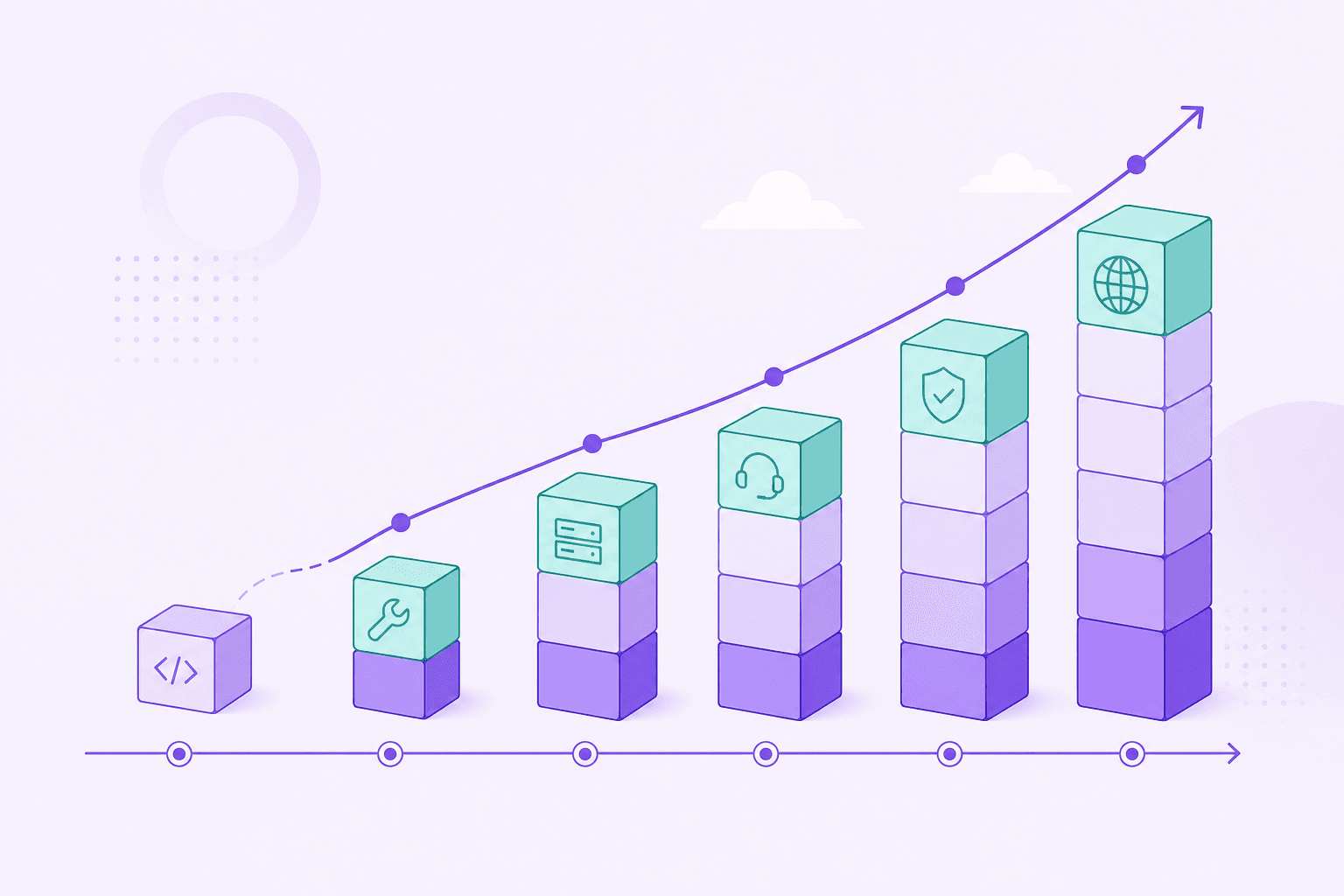
Why this matters more in the AI era
AI lowers the cost of implementation. That changes what differentiates you.
More people will ship more clones, more MVPs, more open-source ports of the same idea. When everyone can build the same feature, the question shifts:
| Old question | New question |
|---|---|
| Can you build it? | Should it exist? |
| How fast can you ship? | Who needs it and how will they find it? |
| Which framework? | Which problem is worth your year? |
Implementation is becoming table stakes. AssessAI's product thinking frame lists what AI still cannot own: framing the right problem, trade-off analysis, designing for users, and explaining decisions in business terms.
That is where engineering maturity shows up now.
Product thinking questions before you write code
Before the first line, I ask:
- Who feels this pain weekly?
- What outcome do they want (not which feature)?
- Why are current tools insufficient?
- Where does the workflow actually break?
- What would make the experience 10x better?
- How will users discover this?
- Who maintains it after launch?
- Who pays, and for what value?
These questions change what you build. Sometimes they kill the idea early. That is a win.
| Signal you are building | Signal you are solving |
|---|---|
| "I want to use this API" | "Users lose 20 minutes daily on X" |
| Feature list in the PRD | Outcome metric defined |
| Clone of a successful app | Clear gap in the workflow |
| Ship then find users | Talk to users then ship |
AI makes coding faster. It does not make thinking optional.
AI can generate components, wire APIs, refactor modules, and fix tests. It cannot tell you which problem is worth a year of your life.
The developer who uses AI only to write more code gets faster at building the wrong thing.
The developer who uses AI to prototype, test assumptions, and iterate on real feedback gets faster at learning what matters.
That is the split I write about in agentic engineering and agentic coding: speed without judgment is not leverage. It is noise at scale.
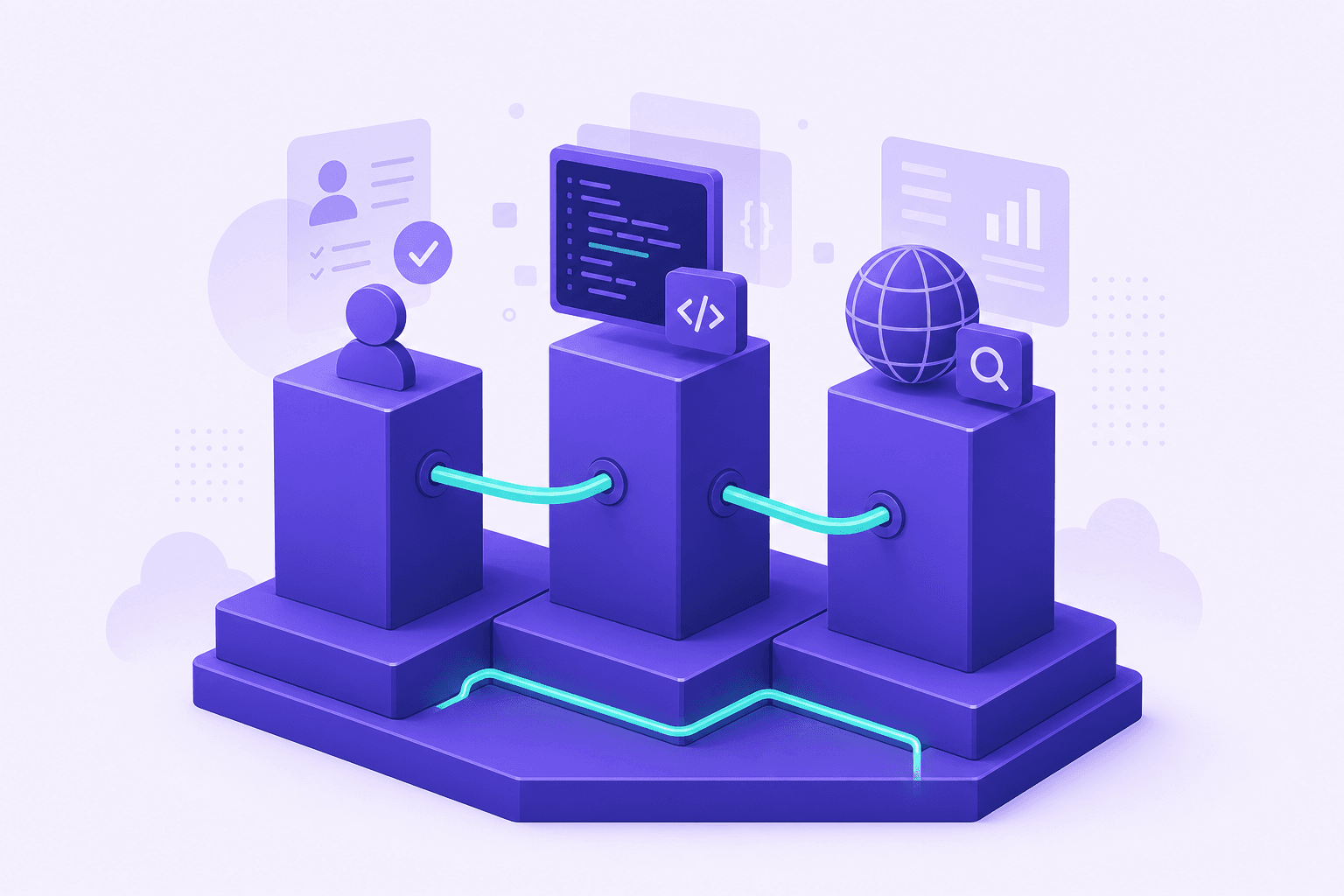
The stack that actually ships value
Three layers matter:
Problem-solving — what should exist, for whom, and why now.
Engineering — how to build it reliably, securely, and maintainably.
Distribution — how the right people discover it and stay.
AI is accelerating the middle layer. The first and third remain deeply human.
The future belongs to engineers who combine all three. Not to the fastest typist in the chat window.
Where to go next
- Vibe Coding vs Agentic Engineering — speed with control when agents write the code
- What Is Agentic Coding? — the agent loop and when to delegate
- How to Transition from Software Development to AI Engineering — skills that compound on the other side of this shift
- Code Review Is Becoming a Taste Problem — judgment when review cannot stay line-by-line
Building software has never been easier. Solving the right problem is still the hard part. In an AI-first industry, learning how to think may matter more than learning how to type.
Tags
- Product Thinking
- Product-Minded Engineer
- AI-Assisted Development
- Software Engineering
- Distribution
- Open Source
- Engineering Judgment
- Problem Solving
Keep reading
Related articles
How to Transition from Software Development to AI Engineering
You do not need to start over. If you already ship production software, AI engineering is mostly learning how to build reliable systems around models — LLM APIs, RAG, agents, and evaluation — on top of skills you already have.
- AI Engineering
- Career Transition
- Software Engineering
- RAG
Vibe Coding vs Agentic Engineering: How AI Is Changing Software Development
Vibe coding vs agentic engineering is the difference between accepting AI output on faith and keeping engineer-led control while agents do the typing. I ship production apps solo with an agentic workflow. This is how to move fast without losing the plot.
- Vibe Coding
- Agentic Engineering
- Agentic Coding
- AI-Assisted Development
What Is Agentic Coding? A Practitioner's Guide to AI Coding Agents
Agentic coding is when an AI agent plans, edits files, runs tests, and retries in a loop while you supervise instead of typing. Here is how the agent loop works, when to use it, and how to stay in control.
- Agentic Coding
- Coding Agents
- AI-Assisted Development
- Cursor